Claim Your Corner: Picking the Right Seat at Bar 38 Before the First Round
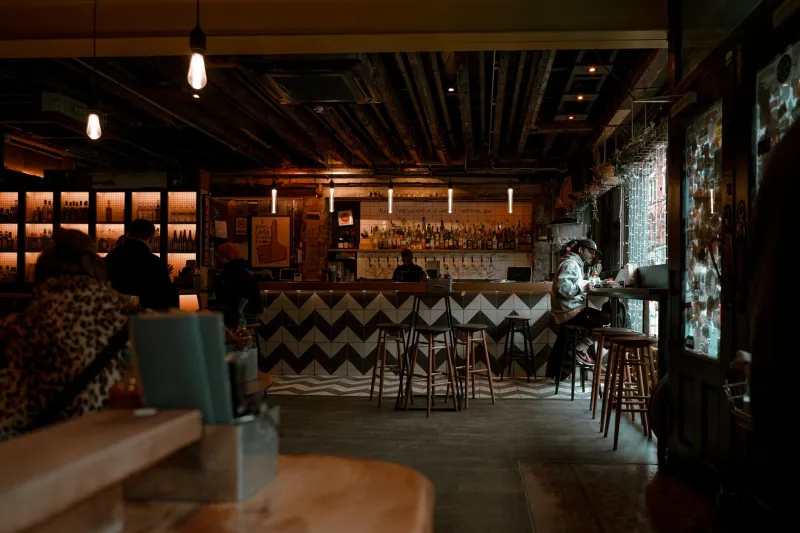
You can plan the outfit, argue over the taxi, and queue the perfect first song in your head. But the decision that shapes a Blyth night out more than any of that happens in the first thirty seconds: where you sit. At Bar 38, the room is a set of different evenings waiting to happen. Pick the window and you get one kind of night. Pick the back booth and you get another entirely. The table doesn't just hold your drinks – it sets the tempo before the first glass even lands.
The window perch: a front-row seat to the town
There's something quietly brilliant about a seat by the glass. You get the light, you get the view, and you get a running commentary on Blyth going about its business – the early crowd drifting past, the weather doing its coastal thing, the last of the daylight sliding off the rooftops. It's a seat that rewards people who actually want to talk. Conversation comes easier when you've got something to look at, and the window gives you plenty.
This is the spot for a catch-up between two people who haven't seen each other in months, or a date that needs a bit of scenery to take the pressure off. It suits an early start, too – a first drink while the town is still winding up, rather than a full-throttle session. What it doesn't suit is a group of eight who want to be at the centre of the noise. The window is a side-stage seat, and it's all the better for it.
The back booth: built for the crowd that arrives together
If your night involves a birthday, a works do, or the kind of group chat that ends with "I'll book something", the booth is doing the heavy lifting. A booth absorbs sound, gives everyone somewhere to put their elbows, and creates a natural huddle. It turns a table of near-strangers into a proper gathering by about the second round.
It's also the most forgiving seat in the house. Snacks spread out better, the rounds make sense, and nobody has to shout across a walkway. The trade-off is that you're slightly removed from the bar, which means one person becomes the nominated drinks-runner for the evening. Rotate the role, or accept your fate. Either way, if there are six or more of you, ring ahead. A booth isn't the sort of thing you can magic out of thin air on a busy Friday.
The bar-edge stool: the solo pint with no ceremony
Some nights don't need a table at all. A quick one after work, a half-hour stop before the bus, a pint on your own because the alternative is staring at the same four walls at home – the bar-edge stool handles all of it with zero fuss. You're in the room without having to join it. You can chat to the staff, or not. You can read the room, or ignore it entirely.
It's the most honest seat in the building. Nobody books a stool to impress anyone. And it's the one that most often turns a single drink into two, because the bar has a way of making a short stop feel like exactly where you were meant to be. The only rule: don't colonise three stools with your coat and your bag on a packed Saturday. One seat, one person, one pint at a time.
The middle tables: flexible by design
The tables in the middle of the room are the ones nobody writes poems about, and yet they're what most nights actually need. They suit two to four people, they can stretch to a fifth if someone turns up late, and they sit close enough to the action without being swallowed by it. This is where first meetings happen, where post-work debriefs unfold, and where a couple can start the evening before deciding whether to join the larger crowd.
If you're not sure what kind of night you're having yet, this is the seat that keeps your options open. It's the Switzerland of Bar 38 seating.
Match the seat to the night, not the other way round
Most people pick a table based on whatever's free, then wonder why the evening feels slightly off. A bit of forward thinking goes a long way. Ask yourself three things before you sit down: how many of us are there, how long are we staying, and are we eating? A long session with food wants a proper table. A flying visit wants the bar. A big group wants the booth. A quiet talk wants the window.
It's also worth being honest about numbers. Squeezing seven people around a four-person table is nobody's idea of a good time, and it's unfair on the staff who have to navigate around you. If the plan has grown since you left the house, say so at the bar. There's usually a way to make it work.
A few practicalities before you sit
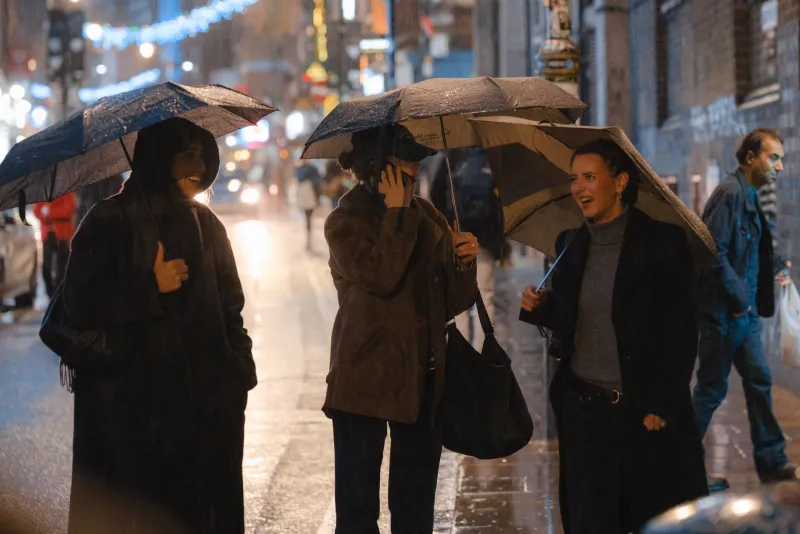
Fridays and Saturdays fill up quickly after seven, so the best seats go to the early arrivals – another argument for the sunset start. If you're eating, a proper table beats a stool every time; balancing a plate on your knee is a young person's game. And if the weather has turned, the window seat becomes prime real estate, because watching the rain come in off the North Sea with a drink in hand is one of Blyth's small pleasures.
The table you choose is the first decision of the night, and it's the one that quietly decides the rest. So claim your corner properly. The evening will follow.