Let It Blow: A Blyth Night Out for Filthy Coastal Weather
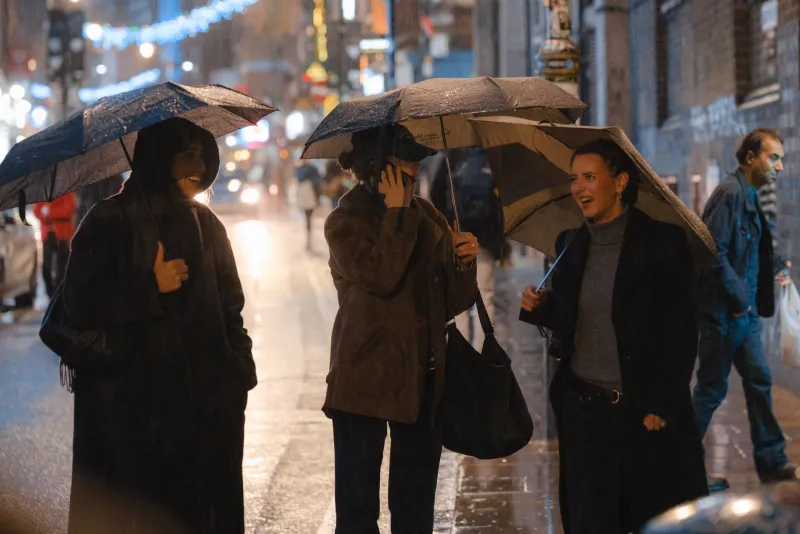
There is a particular kind of North Sea weather that arrives sideways. It doesn't rain so much as travel at you, horizontally, at speed, and it has a knack for showing up on the one night the group chat has been planning for a fortnight. The forecast app offers a cheerful little cloud with a percentage next to it, and someone inevitably suggests postponing.
Don't. A bit of coastal weather is no reason to cancel a night out in Blyth. It's a reason to plan one properly.
Read the Forecast Like a Local
The percentage is the least useful number on the screen. Ten per cent chance of rain sounds harmless until you realise it's a ten per cent chance of being absolutely soaked for the entire walk. What matters is wind direction and gust speed. An easterly coming straight off the sea will make a mockery of any umbrella and will find the one gap in your coat. A westerly, by contrast, can be almost pleasant — it pushes you along the pavement and keeps the clouds moving.
Check the gusts, not just the wind. Anything sustained above thirty miles an hour and you're not fighting the weather, you're auditioning for a documentary. Plan accordingly: shorter hops, more of them indoors, and a taxi for the long leg rather than a heroic twenty-minute march.
Dress for the Walk, Not the Bar
Everyone dresses for the venue. Almost nobody dresses for the pavement between venues, which is where the night is actually won or lost. The rules are simple and unglamorous.
Layers beat one thick coat. A base layer, a fleece and a waterproof shell will keep you warmer than a single padded jacket, and you can shed a layer once you're inside without spending the rest of the night overheating. Leave the umbrella at home — in a coastal town it's less a weather tool and more a kite with ambitions. A hood is worth more than a handle.
Wear the boots. Not the shoes you can only walk fifty yards in. You'll be standing at a bar, walking to the next place, and possibly waiting outside for a table. Warm, dry feet are the difference between a good night and a long, soggy sulk.
And bring a bag that keeps water out. A phone that's died in the rain takes the taxi number, the group chat and the meeting point with it.
Choose a Route That Folds
The temptation is to plan a sprawling tour of the town. In bad weather, a sprawling tour becomes a series of damp sprints. Instead, build a route that folds back on itself — two or three venues within a short walk of each other, with the option to retreat to the first one if the sky really opens.
A tight route has another advantage: it keeps the group together. Nothing scatters a night out faster than a ten-minute walk in horizontal rain, because half the group will decide to skip it and the other half will arrive grumpy. Keep the legs short and the decisions fewer.
The Meeting Point Is the Whole Game
Pick one. Say it out loud. Send it in the chat. A named, obvious meeting point — somewhere with a bit of shelter and a recognisable front door — solves about eighty per cent of the logistics before anyone has left the house.
Then add the boring-but-brilliant bits. A pin dropped in the group chat. A rough time. A rule that nobody walks alone to the next venue. And a nominated sensible person who checks the radar halfway through the night and tells everyone whether the next leg is a walk or a taxi. It sounds fussy. It is, in fact, the difference between a night that flows and a night spent standing in a doorway, waiting for a mate who went the wrong way.
Time the Squalls, Not the Clock
Coastal weather comes in bands. You'll get twenty minutes of properly grim, then a lull, then another band. Watch the radar rather than the clock and you can often walk between venues in the gap.
This is also why the early start earns its keep. If the worst of it is due at ten, be inside by half nine, and let the walk home happen after the band has passed. A night out doesn't have to be one long expedition — it can be a few well-timed moves.
Earn Your First Pint
Here's the thing nobody tells you about a rough-weather night out: the first drink tastes better. Not because of the drink itself, but because you've walked for it. A short loop along the seafront or the quayside before you go in — hood up, hands deep, salt in the air — turns the moment you push through the door into a small event.
The warmth hits you. The noise hits you. The condensation on the glass and the smell of something hot coming out of the kitchen. That first sip lands differently when your ears are still cold.
Hot Food Is Infrastructure
Don't treat food as an afterthought on a bad-weather night. It's part of the plan. Chips, a pie, a toastie, a bowl of something with gravy in it — anything hot and salty does two jobs at once: it warms you up and it slows the drinking down, which is exactly what you want on a night with a long, cold walk home at the end.
Order it earlier than you think. The kitchen gets busy, the group gets hungry, and hunger plus wind is a bad combination.
The Weather Becomes the Story
Nobody remembers the night the forecast was fine. They remember the night the rain came in sideways and the lot of you piled into the warm, laughing at the state of your coats, and someone ordered chips for the table and the radiator did its best.
Blyth is a coastal town. The weather is not an interruption to the night out — it's part of the character of the place. Plan for it, dress for it, and get on with it. Let it blow.