Two Glasses, One Olive Branch: The Blyth Sorry That Doesn't Need a Speech
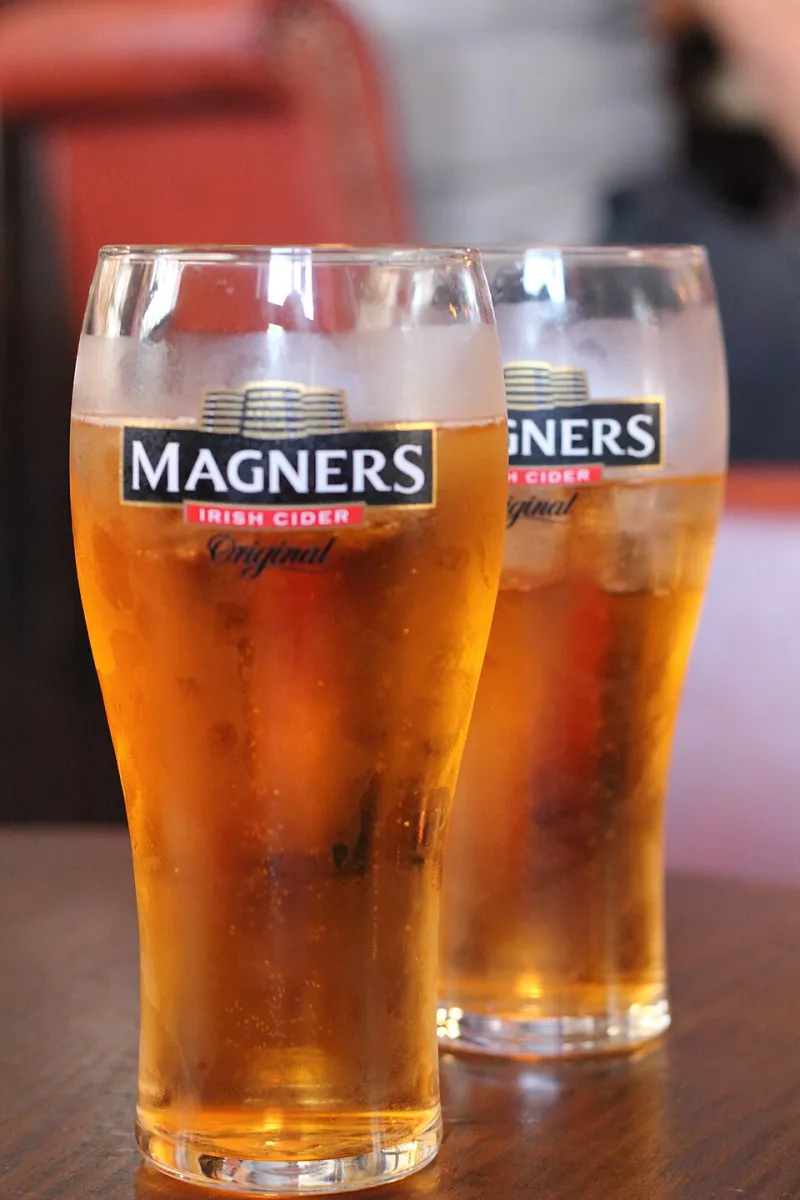
Photo: PierreSelim, CC BY 3.0, via Wikimedia Commons
There is a particular kind of silence that follows a small fallout. Not the dramatic, door-slamming sort — more the group chat that goes a bit too quiet, the cancelled plan that nobody quite addresses, the joke that landed wrong and then sat there. The instinct is to write a long message. Something carefully worded, maybe drafted three times, probably read back in the wrong tone. A text can carry an apology, but it cannot carry a room. It has no pause, no shared table, no chance to see the other person decide to soften. That is why the apology round still works.
At Bar 38, we are not in the business of turning a night out into a counselling session. Nobody wants a pint with a PowerPoint. But there is a middle ground between ignoring a problem and calling a full summit meeting, and it usually looks like two people, a small table, and a drink ordered without too much ceremony. The apology round is not a trick, and it is not a substitute for actually saying sorry. It is simply a better setting for the conversation than a screen.
Pick the Moment Before It Hardens
Timing matters more than people think. The worst slot for an apology round is late on a busy Friday, when the bar is loud, the drinks are flowing and everyone is three conversations deep. That is not a clearing-the-air environment; that is an environment where a sensitive comment gets overheard by the wrong person and the whole thing becomes a story by Sunday.
A quiet midweek evening is better. Early doors, before the town fills up, when there is still space to hear each other and nobody is performing for a crowd. It also helps if you do not wait a fortnight. The longer a small misunderstanding sits, the more it grows a personality. Ask in plain terms: “I’m in town on Thursday, fancy a quick one?” Not “we need to talk.” Not a three-paragraph preamble. Just a normal invitation with a normal exit route.
And if they say no? Leave it. An apology round should never feel like a summons. The offer is the first part of the apology.
The Neutral Corner Does Half the Work
Where you sit changes how the conversation goes. A corner table away from the speakers, or a couple of stools at the bar where you are side by side rather than face to face, is usually better than a formal table in the middle of the room. Side by side takes some of the performance out of it. You are not eyeballing each other like a job interview. You are just two people with a drink, working something out.
At Bar 38, that might mean tucking yourselves away from the busiest stretch of the bar, somewhere you can talk without raising your voice. Avoid the spot right under the speaker. Avoid the table next to the group who are clearly on their third round and getting louder. And avoid making it a big occasion. A birthday, a leaving do or a match night is not the moment. The apology round needs a little privacy without feeling hidden.
Keep the Guest List Tiny
This is not a group activity. If you bring a mutual friend to “keep things light,” you have not kept things light — you have brought an audience. The other person now has to manage the conversation and their own face in front of someone else. That is not fair, and it rarely helps.
Two is best. Three at a push, if the third person is genuinely neutral and knows when to go to the bar. But the default should be just the two of you. Small groups make room for real sentences. Big groups make room for banter, and banter is often how we avoid saying the thing that needs saying.
Let the First Round Speak First
The opening move is simple: know what they drink, or ask. Get the first one in. Not as a bribe, and not as a way of skipping the apology — just as a small signal that you are glad they came. A shared round gives your hands something to do and gives the conversation a starting point that is not the argument itself.
Then do not launch straight into a speech. Give it five or ten minutes. Talk about normal things. Let the fact that you are both there do some of the work. When you do say the thing, keep it short and specific. “I’ve been thinking about what I said on Saturday. It came out sharper than I meant, and I’m sorry.” No “but.” No list of reasons why you were actually justified. No “I’m sorry you feel that way,” which is not an apology so much as a debate opening.
If they want to explain how it landed, listen. Properly. Do not start drafting your reply while they are still talking. And do not ask for immediate forgiveness. The pint is not a receipt. It is a pause button, a way of saying: I would rather sort this out than let it go sour.
What Not to Do
Do not turn the apology round into a big night. Two drinks is plenty. The point is a clear head and a real conversation, not a slow slide into the kind of evening where someone says something else they regret. Do not bring up old grievances as supporting evidence. Do not make a joke at your own expense too early, before the other person has had a chance to say how they feel. And do not expect one round to fix something that has been building for months.
A small fallout can be cleared with a quiet drink and a straightforward sentence. A serious harm cannot. If the issue is bigger than a misplaced comment or a cancelled plan, then the bar is not the place to unpack it. The apology round is a low-key gesture, not a full repair kit.
When It Works, Leave It There
If the conversation reaches a decent place, do not push your luck by suggesting another bar and another round. End while it still feels okay. Finish your drinks, say thanks for hearing you out, and go. The next day, a short message is fine: “Thanks for coming out. Glad we cleared that up.” That is it. No essay. No re-litigating.
In Blyth, we are not usually grand talkers. We are better at showing up than spelling things out. That is exactly why the apology round suits us. It says, without too many words, that the person is worth the effort of leaving the house for. It gives both of you something to hold, a reason to sit down, and a way back to normal that does not require a perfect speech.
So if you have got a small sorry sitting in your drafts, delete the essay. Pick a quiet night. Choose the corner. Get the first one in. The rest can follow.