Four Heads Are Better Than One: The Midweek Blyth Quiz That Beats a Big Saturday
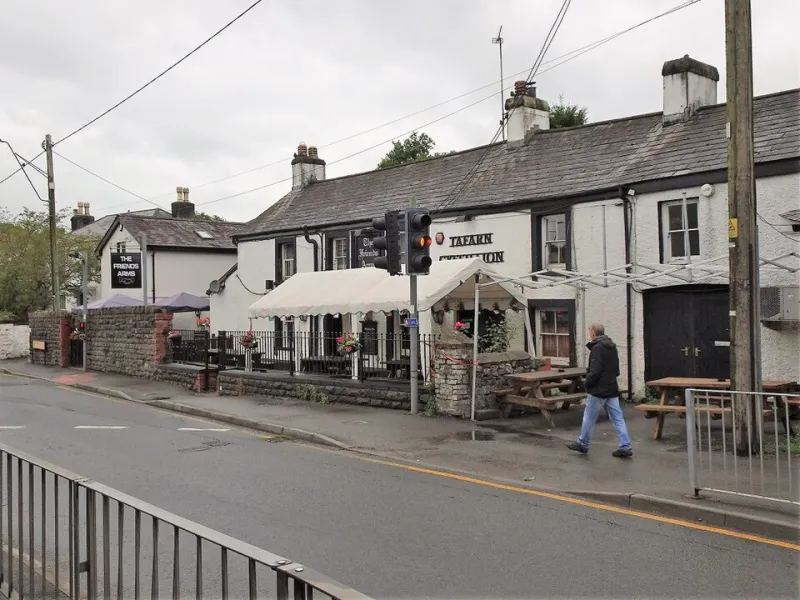
Photo: Sionk, CC BY-SA 4.0, via Wikimedia Commons
There’s a certain kind of quiet that only happens in a bar quiz. Not the awkward sort. The useful sort. Four people leaning over a scrap of paper, one of them certain the answer is “somewhere in the Eighties”, another quietly writing down something completely different. In Blyth, that’s a midweek night out doing exactly what it should: giving a group something to do together without asking anyone to be a host.
Bar 38 is a natural home for that. Not because a quiz needs a big production, but because the best ones don’t. You get a table, a pencil, a pint, and a reason to talk to the people you came with. The rest is just whether you know which king had the shortest reign.
Build the table before you build the round
Four is the sweet spot. Five is good. Six is plenty. Any more and you’re not a quiz team, you’re a small convention with a shared pen.
The trick is to mix your knowledge without turning it into a recruitment drive. You want one person who remembers old telly, one who knows geography, one who can do the maths round without sighing, and one who is happy to shout “pass” with real conviction. That last role is underrated. A good quiz table needs someone who doesn’t mind admitting defeat on a question about obscure football grounds.
Sort out who is reading, who is writing, and who is in charge of flagging down the next round. It sounds fussy. It isn’t. It just stops the same person from doing everything while everyone else says “I would have got that” ten seconds too late.
And arrive early enough to settle. A quiz table that lands at the last minute spends the first round taking coats off and working out where everyone is sitting. The first round is usually the easy one. Don’t waste it on logistics.
Order food that keeps the pencil moving
A quiz is not the moment for a plate that needs two hands and full attention. Go for things that can sit in the middle and be picked at: chips, wings, halloumi fries, bread, something with a dip. Food that keeps the table social rather than turning it into a silent chewing zone.
The same goes for drinks. The instinct is to order a big round just as the quiz begins, then spend the next forty minutes watching it go warm while everyone argues about question seven. Better to get the first drink in, order food early, and then top up when there’s a natural pause. Midweek quiz nights are not built for a session. They’re built for a couple of good pints, a bit of food, and a sensible exit.
Keep the answer sheet away from the glasses, too. There’s nothing quite like a round lost to a puddle of lager and a smudged answer about capital cities. Bar staff have seen it all before, but you don’t need to be the table that proves it.
The friend who takes it far too seriously
Every quiz table has one. Sometimes it’s you. The friend who wants to appeal the marking, who says “well, technically” in a voice that could curdle milk, who treats a tie-breaker like a court case.
Give them a job. Scorekeeper is a good one. It makes them feel important and keeps their pen busy. If they start reaching for a phone, remind them that “no cheating” is not a suggestion. It’s the whole point. A quiz where everyone googles the answers isn’t a quiz. It’s a group of people looking at screens in a pub, which you can do at home for free.
If they sulk over a lost point, pass the chips. If they sulk over two lost points, remind them it’s Wednesday. The quiz is not the exam. It’s the excuse. The real event is the bit between the questions, where someone remembers a holiday, someone else disagrees, and the table finds out something new about each other.
Why the midweek quiz works in Blyth
A Saturday night out has a certain pressure to it. It has to be big. It has to go somewhere. It has to end with a story. A midweek quiz asks for much less and gives back more than you’d expect. You turn up. You sit down. You get a paper. For an hour or two, the conversation has a shape.
That’s the quiet genius of it. A quiz doesn’t need a crowd, a dress code, or a reason. It works for a catch-up that would otherwise become a group chat that never quite happens. It works when you’ve got a mate visiting from out of town. It works when you want a night out that still gets you home before the streetlights have that late-night look.
Bar 38 fits that rhythm. It’s local, it’s sociable, and it doesn’t ask you to make a night of it if you don’t want to. Have a pint. Have some food. Have a go at the picture round. Leave when the last answer is in. That’s a proper night out in Blyth, just a quieter sort.
The winning bit isn’t winning
Don’t get me wrong, winning is nice. A round of drinks tastes better when someone else is buying them because your table remembered the name of a sitcom actor from 1994. But the quiz isn’t really about the score. It’s about the table. It’s about the mate who gets every music question wrong and every film question right. It’s about the moment everyone stares at the same blank space on the paper and then someone says the answer like it’s obvious.
So bring a pencil, bring a pound for the quiz if there’s a whip round, and bring people who don’t mind being wrong in public. Pencil, pint, no cheating. That’s the whole rulebook.
The rest is just whether you know your Blyth from your Barcelona. And if you don’t, there’s always next week.